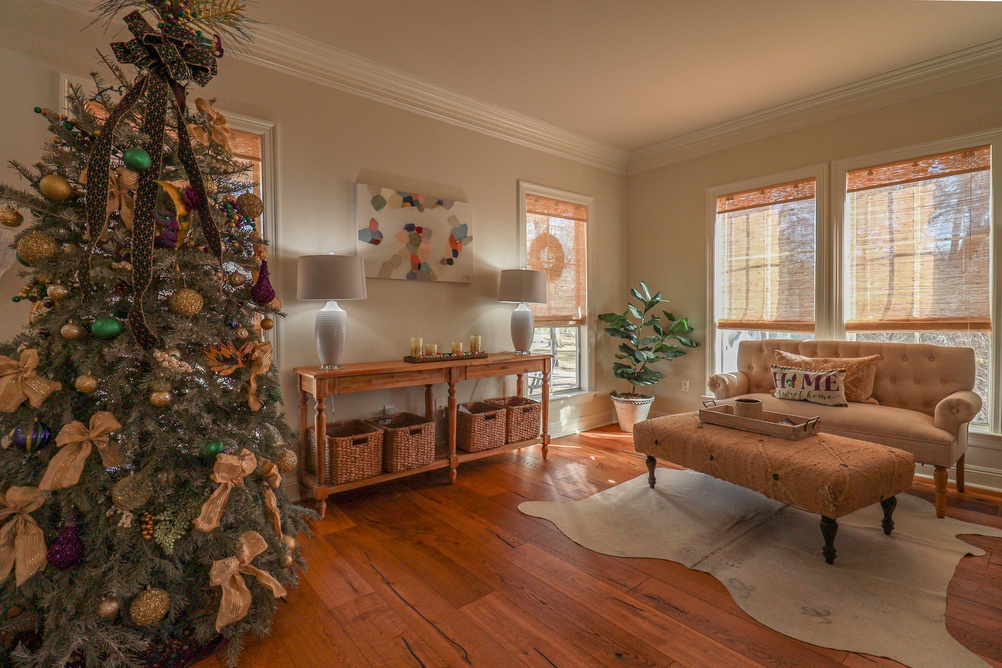
Hardwood flooring adds warmth, character, and long-term value to a home. It creates a timeless look that many homeowners love. Still, even well-installed hardwood floors can develop gaps over time, leaving homeowners wondering if something is wrong.
In many cases, hardwood flooring gaps are completely normal. Wood is a natural material that reacts to changes in moisture and temperature. Some movement is expected, especially in Colorado’s dry climate. However, larger or persistent gaps can sometimes point to installation problems or moisture issues that should not be ignored.
At Mountain View Flooring, homeowners can find flooring guidance backed by more than 25 years of experience. The company offers hardwood, ceramic tile, luxury vinyl tile, carpet, laminates, and custom inlays for both homes and businesses. We are passionate about helping homeowners throughout Pueblo and nearby communities find flooring solutions that fit both their style and lifestyle.
Understanding what causes hardwood flooring gaps can help homeowners protect their investment and avoid costly repairs later.
What causes hardwood flooring gaps?
Hardwood flooring gaps usually happen because wood naturally expands and contracts as moisture levels change.
When humidity rises, wood absorbs moisture and expands slightly. When the air becomes dry, the wood loses moisture and shrinks. Colorado’s dry winters and constant indoor heating often create ideal conditions for this type of movement.
Several factors can contribute to hardwood flooring gaps, including:
Low indoor humidity
Dry winter air
Constant furnace use
Poor acclimation before installation
Improper installation methods
Water damage
Excessive subfloor moisture
Sudden indoor temperature changes
Small seasonal gaps are common and often temporary. Larger gaps that remain year-round may indicate a bigger issue.
Are hardwood flooring gaps normal?
Yes, many hardwood floor gaps are normal, especially in homes with solid hardwood flooring.
Thin gaps may appear during winter when indoor air becomes extremely dry. In many homes, those spaces become smaller once humidity levels rise again in spring and summer.
However, some gaps deserve closer attention. Homeowners should watch for:
Gaps wider than a dime
Uneven spacing between boards
Loose or shifting planks
Cracking wood
Cupping or warping
Gaps that never close
If these problems appear, a professional flooring inspection may be necessary.
How does Colorado’s climate affect hardwood flooring?
Colorado’s climate plays a major role in hardwood floor movement.
Homes throughout Pueblo, Westcliffe, Walsenburg, Las Animas, and Canon City experience large swings in humidity and temperature throughout the year. Winter heating systems can quickly dry out indoor air, causing hardwood planks to shrink.
That does not mean hardwood flooring is a bad choice for Colorado homes. Hardwood remains one of the most popular flooring options because of its durability and timeless appearance.
Homeowners simply need to understand how environmental conditions affect natural wood.
Choosing the right product can also help. Some engineered hardwood flooring products offer greater stability than traditional solid hardwood in dry climates.
The experienced team at Mountain View Flooring can help homeowners compare flooring options and determine which products may perform best in Colorado homes.
Can poor installation cause hardwood flooring gaps?
Yes, installation mistakes are one of the leading causes of excessive hardwood floor gaps.
Before installation begins, hardwood flooring must acclimate to the home’s environment.
This process allows the wood to adjust to indoor temperature and humidity levels. If installers rush the acclimation process, the flooring may continue shrinking after installation and create larger gaps later.
Subfloor preparation is equally important. Moisture issues below the flooring can lead to long-term movement problems.
Some common installation-related causes include:
Installing flooring before proper acclimation
Failing to moisture test the subfloor
Incorrect fastening methods
Poor expansion spacing
Installing over uneven surfaces
Professional hardwood floor installation helps reduce the risk of these problems. Leslie and the team at Mountain View Flooring stay involved throughout the flooring process to help ensure every project is completed properly from start to finish.
How can homeowners prevent hardwood flooring gaps?
Preventing hardwood flooring gaps starts with maintaining stable indoor conditions.
Because hardwood reacts to moisture changes, homeowners should focus on reducing extreme humidity and temperature fluctuations inside the home.
Here are several ways to help minimize hardwood flooring gaps:
Maintain indoor humidity levels: Most hardwood flooring performs best when indoor humidity stays between 35% and 55%. During winter, many Colorado homeowners benefit from using humidifiers to add moisture back into the air.
Keep temperatures consistent: Sudden temperature swings can increase hardwood movement. Maintaining stable indoor temperatures can help reduce expansion and contraction.
Clean up spills quickly: Standing water can damage hardwood flooring and lead to long-term problems.
Choose professional hardwood floor installation: Professional flooring installers help ensure proper acclimation, moisture testing, and installation techniques.
Select the right hardwood flooring product: Some hardwood products handle dry climates better than others. An experienced flooring professional can help homeowners compare their options.
What should homeowners do if gaps already exist?
Homeowners should first determine whether the gaps are seasonal or permanent.
Small winter gaps may close naturally once humidity levels rise again. However, if gaps continue growing, remain year-round, or appear alongside warping or loose boards, professional evaluation is recommended.
Depending on the cause, possible solutions may include:
Improving indoor humidity levels
Repairing moisture issues
Replacing damaged boards
Filling persistent gaps
Reinstalling affected flooring sections
Every flooring situation is different, so identifying the root cause is important before making repairs.
Your local experts on wood flooring in Pueblo, CO
Hardwood flooring performance depends on proper product selection, installation quality, and understanding how Colorado’s climate affects natural wood.
Working with a trusted local flooring company gives homeowners access to experience that directly applies to homes in Pueblo and surrounding communities.
At Mountain View Flooring, customers receive personal service backed by decades of flooring experience. Leslie’s dedication to customer care and quality craftsmanship continues to make Mountain View Flooring a trusted choice throughout the area. Our wood flooring store in Pueblo, CO, serves Pueblo, Westcliffe, Walsenburg, Las Animas, and Canon City, CO.