

Explore beautiful and durable tile flooring
Tile flooring is durable, easy to maintain, and incredibly versatile. From kitchen floors and bathroom showers to backsplashes and accent walls, tile can bring color, texture, and character to almost any space.
At our tile store, we help homeowners and businesses find quality flooring that fits their needs and style. With more than 25 years of flooring experience, knowledgeable service, and professional installation available, Mountain View Flooring can help you choose the right tile and make sure your project is completed properly.
Benefits of tile flooring
Tile is built for everyday life. It handles busy households, is simple to clean, and gives you countless design options.
Benefits of tile flooring include:
- Excellent durability
- Easy cleaning and maintenance
- Resistance to stains and spills
- Many colors, patterns, shapes, and sizes
- Options for kitchens and bathrooms
- Versatility for floors, walls, showers, and backsplashes
- Long-lasting performance
Tile flooring can complement nearly any design, from rustic and traditional to modern and minimalist. You can choose a subtle neutral floor or turn your tile into the focal point of the room.
Request an estimate
Ceramic vs. porcelain tile
Ceramic and porcelain are two of the most popular tile choices.
Ceramic tile is made from clay and fired at high temperatures. It comes in a wide variety of colors, patterns, and finishes and works well for many residential floors, walls, and backsplashes.
Porcelain is a type of ceramic made from denser clay and fired at higher temperatures. It has low water absorption and excellent durability, making it a popular choice for high-traffic and moisture-prone areas.
Our team can help you compare ceramic and porcelain tile based on your room, lifestyle, and budget.
Glazed vs. unglazed tile
Glazed tile has a protective coating applied to its surface. The glaze can add color, pattern, texture, or shine while helping protect the tile against stains.
Unglazed tile does not have this additional surface layer. Its color comes from the tile material itself, often creating a more natural appearance.
Both options have advantages. Your choice should depend on where the tile will be installed, the look you want, and the maintenance required.
Choosing the right tile size
Tile size can have a big impact on a room.
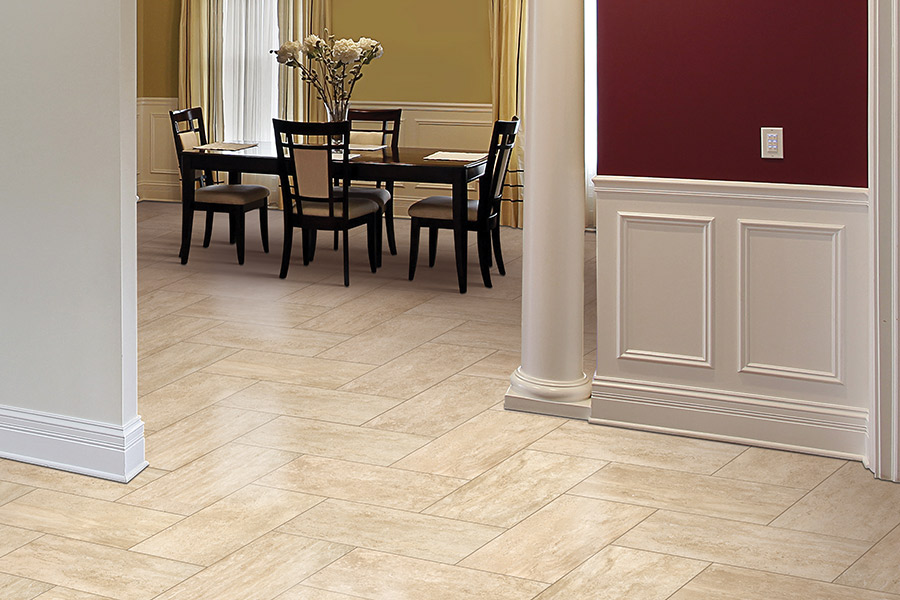
Large-format tiles create a clean, streamlined appearance with fewer grout lines. They can also help a space feel more open. Smaller tiles are ideal for detailed patterns, mosaics, backsplashes, shower floors, and decorative features.
You can also combine different sizes to create a custom layout.
Popular tile shapes
Square and rectangular tiles remain classics, but there are many more choices.
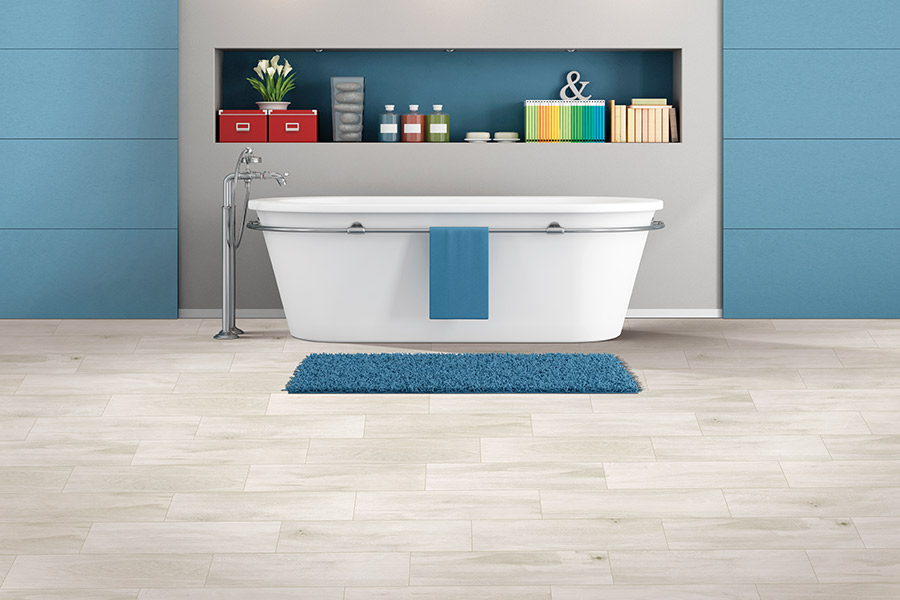
Popular shapes include hexagons, mosaics, subway tiles, planks, and geometric designs. Wood-look porcelain planks can even recreate the appearance of hardwood while offering the durability and easy maintenance of tile.
Different shapes and installation patterns give you even more ways to personalize your space.
Finding the right tile color
Tile comes in nearly every color imaginable.
White, beige, cream, and gray create versatile neutral foundations. Black and charcoal add contrast and drama. Earth tones provide warmth, while colorful and patterned tiles can become a standout design feature.
You can also find tile that recreates the appearance of wood, marble, and natural stone, giving you even more ways to achieve your preferred style.
Where can tile be installed?
Tile is not limited to flooring. Depending on the specific product and its performance ratings, it can be installed throughout homes and commercial spaces.
Common tile applications include:
- Kitchen and bathroom floors
- Entryways and mudrooms
- Laundry rooms
- Living areas
- Commercial floors
- Shower floors and walls
- Kitchen backsplashes
- Bathroom walls
- Accent walls
- Fireplace surrounds
Not every tile is suitable for every application, especially in wet areas and on floors. Our knowledgeable staff can help you select a tile rated for your specific project.
How to clean and maintain tile flooring
Tile flooring is relatively easy to care for. Sweep or vacuum regularly to remove dirt and grit. Damp-mop as needed using a cleaner recommended for your specific tile.
Clean spills promptly and remember to care for the grout. Grout may occasionally require deeper cleaning, and some types should be sealed to provide additional protection against moisture and stains.
Avoid harsh chemicals and abrasive cleaners unless they are approved by the tile manufacturer. Following the recommended care instructions will help your tile continue looking its best.
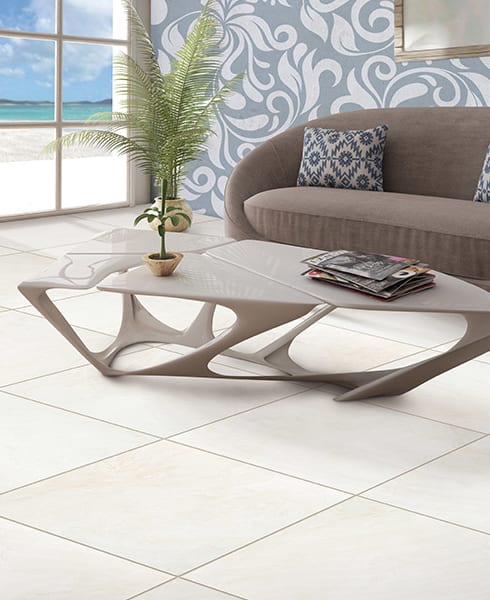
Visit us for top-quality tiles in Pueblo, CO
At Mountain View Flooring, we are proud to help our Pueblo community find quality flooring backed by knowledgeable, personal service. Owner Leslie and our team stay involved throughout the process, from choosing the right tile to professional installation. Ready to start your project?
Call or stop by our showroom to explore tile flooring. Our tile store in Pueblo, CO, serves Pueblo, CO.
Request an estimateTile Flooring FAQs
Quality ceramic and porcelain tile can last for several decades when properly installed and maintained. Its lifespan depends on the tile quality, installation, traffic, and everyday care.
Porcelain tile is denser and typically absorbs less water, making it a strong choice for high-traffic and moisture-prone spaces. Ceramic tile is also durable and works well for many residential applications. The better option depends on the project.
Yes. Tile is durable, easy to clean, and available in options designed for moisture-prone spaces, making it popular for kitchens and bathrooms.
Yes. Tile can be installed on backsplashes, shower surrounds, bathroom walls, accent walls, fireplace surrounds, and other vertical surfaces. Choose a product approved for the intended application.
It depends. Many glazed ceramic and porcelain tiles do not need surface sealing. Some unglazed tiles and cement-based grout may benefit from sealing. Always follow the manufacturer's recommendations.
Reimagine your space
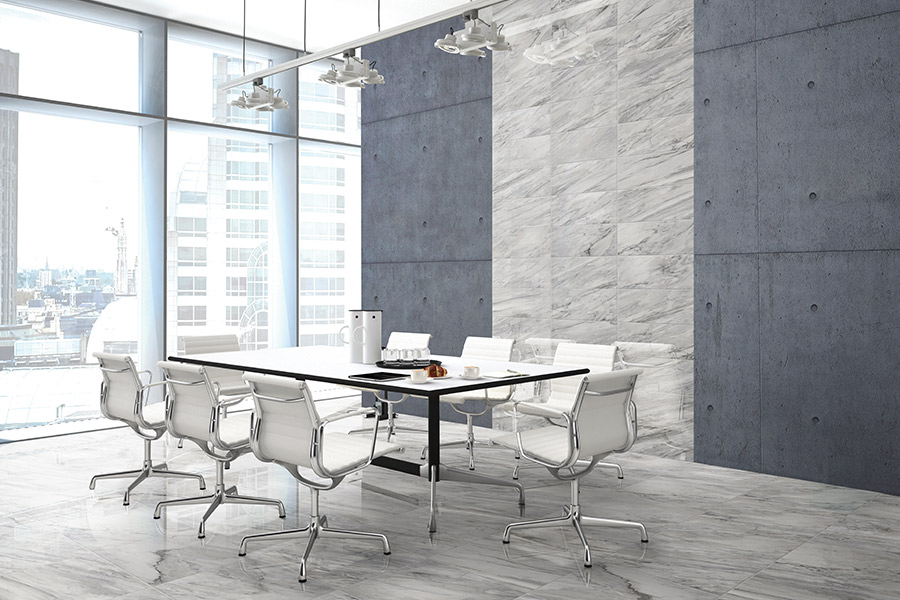
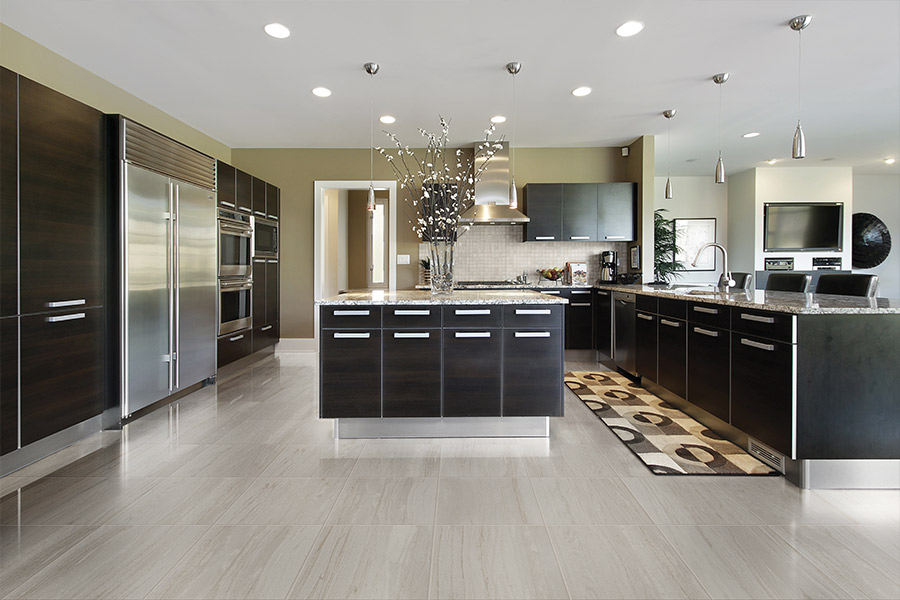
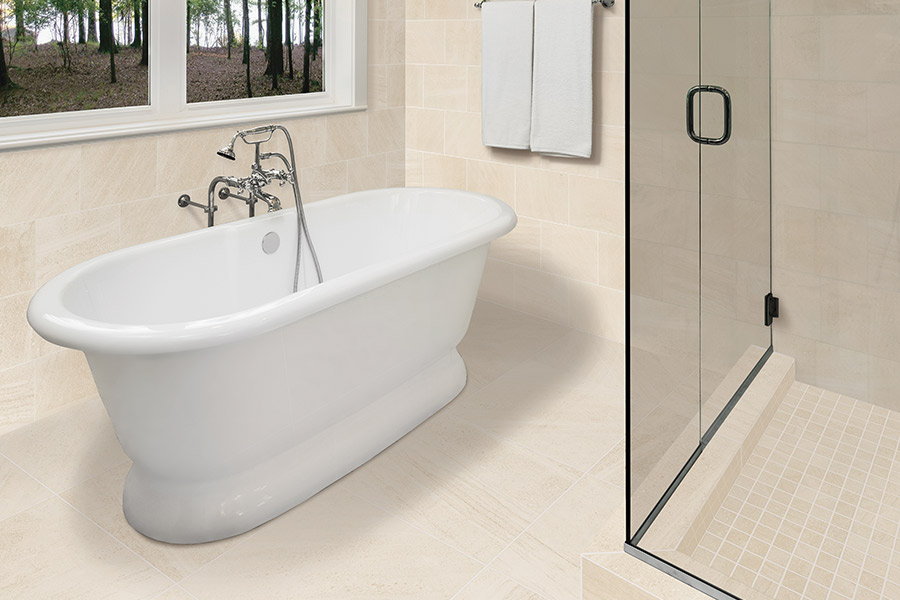
Get inspired by our beautiful galleries

322 S Union Ave Pueblo, CO 81003 | (719) 568-2929


Copyright © 2026 Mountain View Flooring | Privacy | Accessibility
